
“Where are they?”: a Turkish MP protested at the Turkmenistan embassy and reminded about the missing bloggers
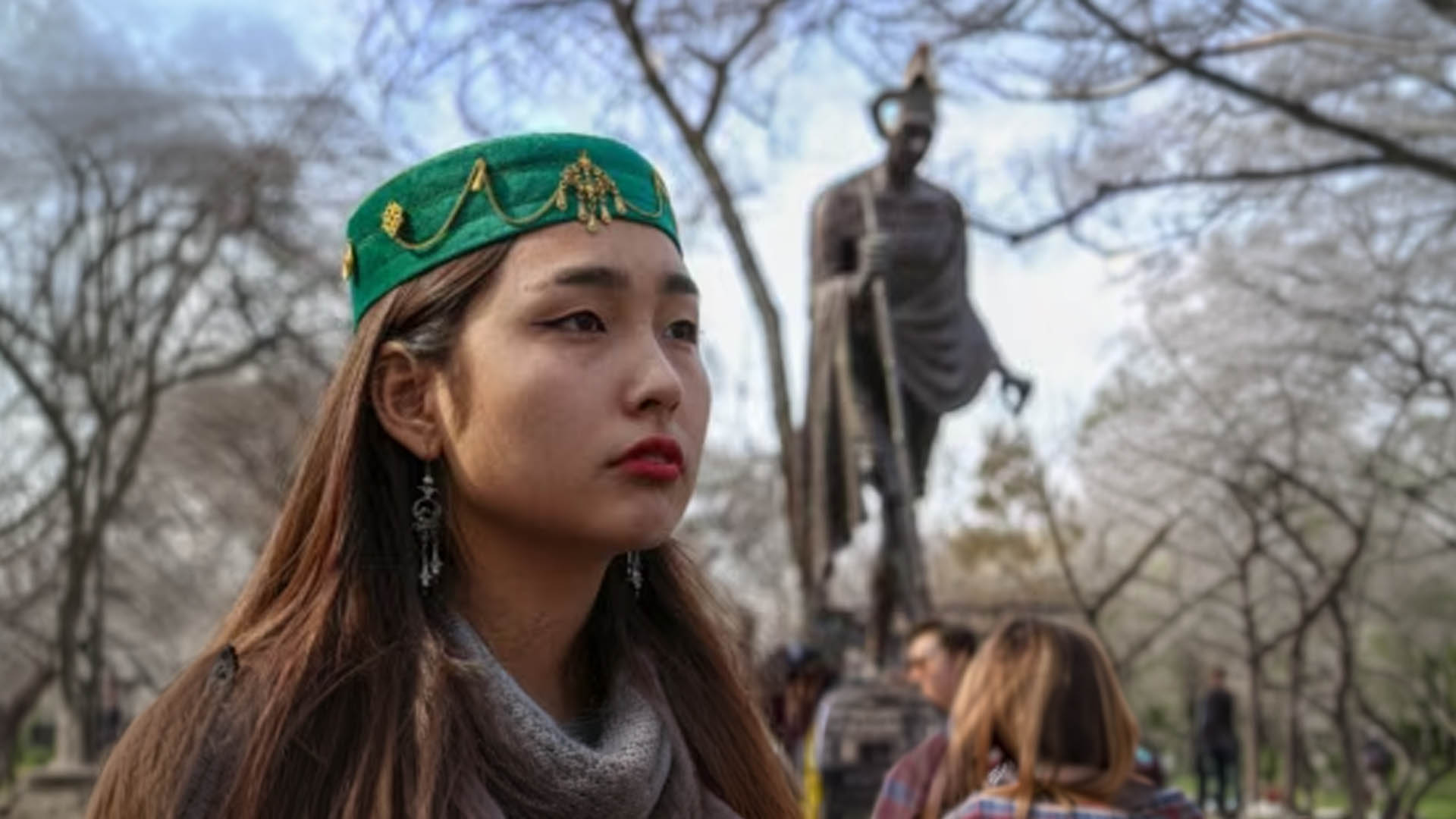
On the anniversary of the detention of Turkmen bloggers Alisher Sakhatov and Abdulla Orusov, Turkish parliamentarian and human rights defender Omer Faruk Gergerlioglu held a picket at the Turkmenistan embassy in Ankara. With photographs of the missing activists, he asked a question that no one has answered for almost a year: where are these people? The protest took place on April 28 — exactly one year after Sakhatov and Orusov were detained in Turkey. Despite court decisions, lawyers’ appeals, and international pressure, the fate of the bloggers remains unknown.
Gergerlioglu addressed not only Turkmen diplomats, but also the Turkish authorities, as well as the international community. According to him, he had previously sent official inquiries to the Ministry of Internal Affairs and the Ministry of Justice of Turkey, but never received an answer.
“Where are Alisher Sakhatov and Abdulla Orusov?” — this question, which sounded at the walls of the embassy, is today addressed not only to Ankara, but also to Ashgabat.
The History of the Disappearance
Sakhatov and Orusov were detained on April 28, 2025, in Sinop, Turkey, despite the absence of obstacles to their legal residence. They were transferred first to Ankara, then to a deportation center in Edirne. The bloggers requested international protection, but were refused and appealed the decision. The Constitutional Court of Turkey recognized the violation of their rights and ordered their release on July 24, 2025. But they never returned home, communication with them was cut off on the same day. Later it became known that the deportation center refused to provide video recordings from surveillance cameras, and then stated that the recordings were allegedly “not preserved.” According to sources, the bloggers could have been secretly taken to Turkmenistan, however, there is no official confirmation — as well as any information about their further fate.
The case of Sakhatov and Orusov increasingly does not look like an isolated one. On the contrary, it fits into the stable practice of the Turkmen authorities: instead of dialogue with critics — their elimination. In recent years, disappearances, arrests, and forced returns have effectively become the norm for those who openly talk about the problems in the country. Moreover, it is not only about political activists, but also about bloggers, ordinary people, journalists. Suffice it to remember:
-
the disappearance of blogger Didar Amansakhatov, whose grave was later found by journalists
-
the death of Nurmyrat Halmyradov after torture
-
the extradition of Maral Annaeva, who fled from violence
-
pressure and threats against activists abroad
This list continues to grow. It feels like a power that fears words. After all, modern Turkmenistan demonstrates an increasingly rigid model of governance, in which any criticism is perceived as a threat. But instead of answering citizens’ questions, the authorities choose a different path — to silence them. And increasingly, quite literally. Disappearances of people critical of the authorities are becoming not an exception, but a usual practice. This is no longer just pressure, it is a systemic mechanism of intimidation. Instead of hearing society, discussing problems and changing, the state practically “shuts the mouths” of its opponents, removing them from the public space.
International Silence and Risks
Gergerlioglu also reminded that the case of Sakhatov and Orusov was submitted to international structures, including UN working mechanisms. However, Turkey, according to him, has not provided comprehensive answers. If the information about forced extradition is confirmed, it will mean a serious violation of international law and, possibly, a direct threat to the bloggers’ lives.
A year has passed. There are no official explanations, no investigation results, not even confirmation whether Sakhatov and Orusov are alive. And the main question remains the same:
if a state is incapable of protecting its citizens and responds to criticism with the disappearance of people, what does that say about the system itself? There is no answer yet. But with every such case, it becomes increasingly obvious.