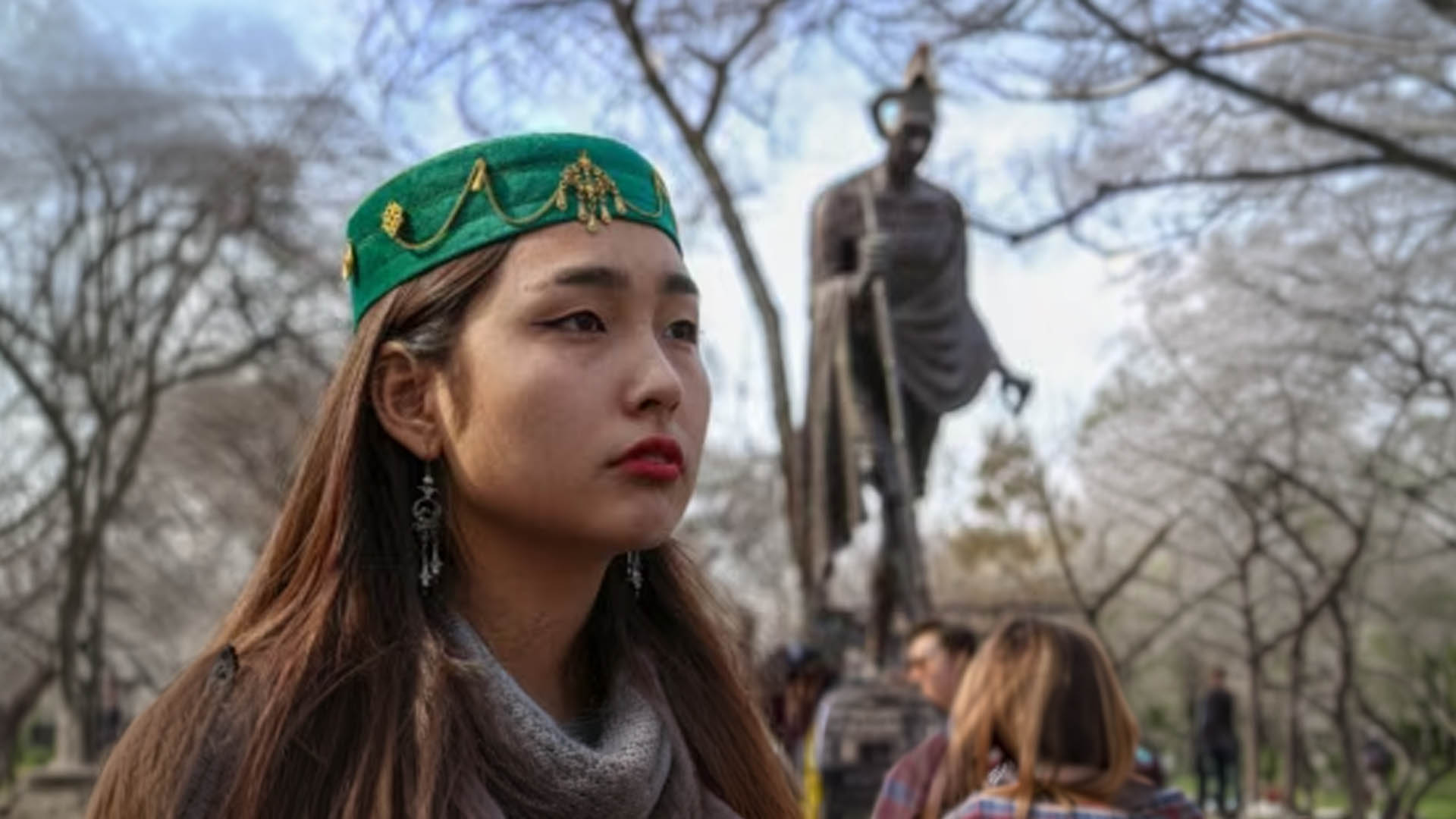
One of the most telling stories of recent years has been the fate of Maral Annaeva. She lived and worked in Dubai. Following public speeches in which she spoke about her fate and the problems of Turkmenistan, international search measures were initiated against her. This was followed by detention and deportation to Turkmenistan. But what happened next is difficult to explain from the perspective of common sense. After returning to Turkmenistan, a trial took place, and the very court for the sake of which her extradition was essentially sought found her not guilty. A person was delivered through international mechanisms to their country of origin, after which the state officially recognized their lack of guilt. This case raises questions not only about human rights but also about the possible use of international legal instruments for political purposes.
When Borders Stop Protecting.
The persecution of political activists outside Turkmenistan is becoming an even more alarming trend. The stories of Abdulla Orusov and Alisher Sakhatov have drawn the special attention of the international community. They were well-known critics of the Turkmen authorities. After being detained outside the country, they ended up in Turkmenistan and were subsequently convicted. Human rights organizations and representatives of the Turkmen diaspora view these cases as part of a broader problem of transnational repression. We are talking about a practice in which authoritarian states seek to control their citizens even after they have left their homeland. For Europe, this is no longer an internal issue of Turkmenistan. It is a matter of the security of political refugees and the protection of fundamental human rights.
Between Moscow and Beijing
Officially, Turkmenistan is a neutral state. In practice, the country is located between two centers of influence. Politically and historically, Turkmenistan maintains close ties with Russia. Economically, it is increasingly dependent on China, which has become the main consumer of Turkmen gas and a key partner in the energy sector. As a result, the future of the country is increasingly determined not by the interests of its own citizens, but by the balance of interests of external players.
Why Should This Concern Europe?
Many Europeans have never been to Turkmenistan. Many will not even be able to point it out on a map. But the question of Turkmenistan is not just the question of a single country. It is a question of whether the modern world is willing to tolerate the existence of states where there is no free press, independent politics, and effective public control. History shows that stability based on fear is never eternal. True resilience is not built on a cult of personality, not on marble palaces, not on oil and gas revenues. It is built on the trust of citizens in their state. It is exactly this trust that Turkmenistan lacks the most today.