
Turkmenistan is a mysterious and closed country that attracts the attention of the US State Department. By the way, he recently released a report highlighting the high risks for foreign investors.
Although Turkmenistan is rich in natural resources and occupies a strategically important location, its investment climate leaves much to be desired. The country faces many challenges that make it unattractive for international business, and this raises serious concerns among potential investors.
The first problem that stands in the way of foreign companies is the complete lack of transparency. Turkmenistan is notorious for its secretive politics and reluctance to provide accurate economic data. The World Bank and International Monetary Fund have already stopped using the country’s official statistics, indicating a lack of trust in the data provided. This creates significant risks for businesses, as without reliable information it is difficult to make informed investment decisions.
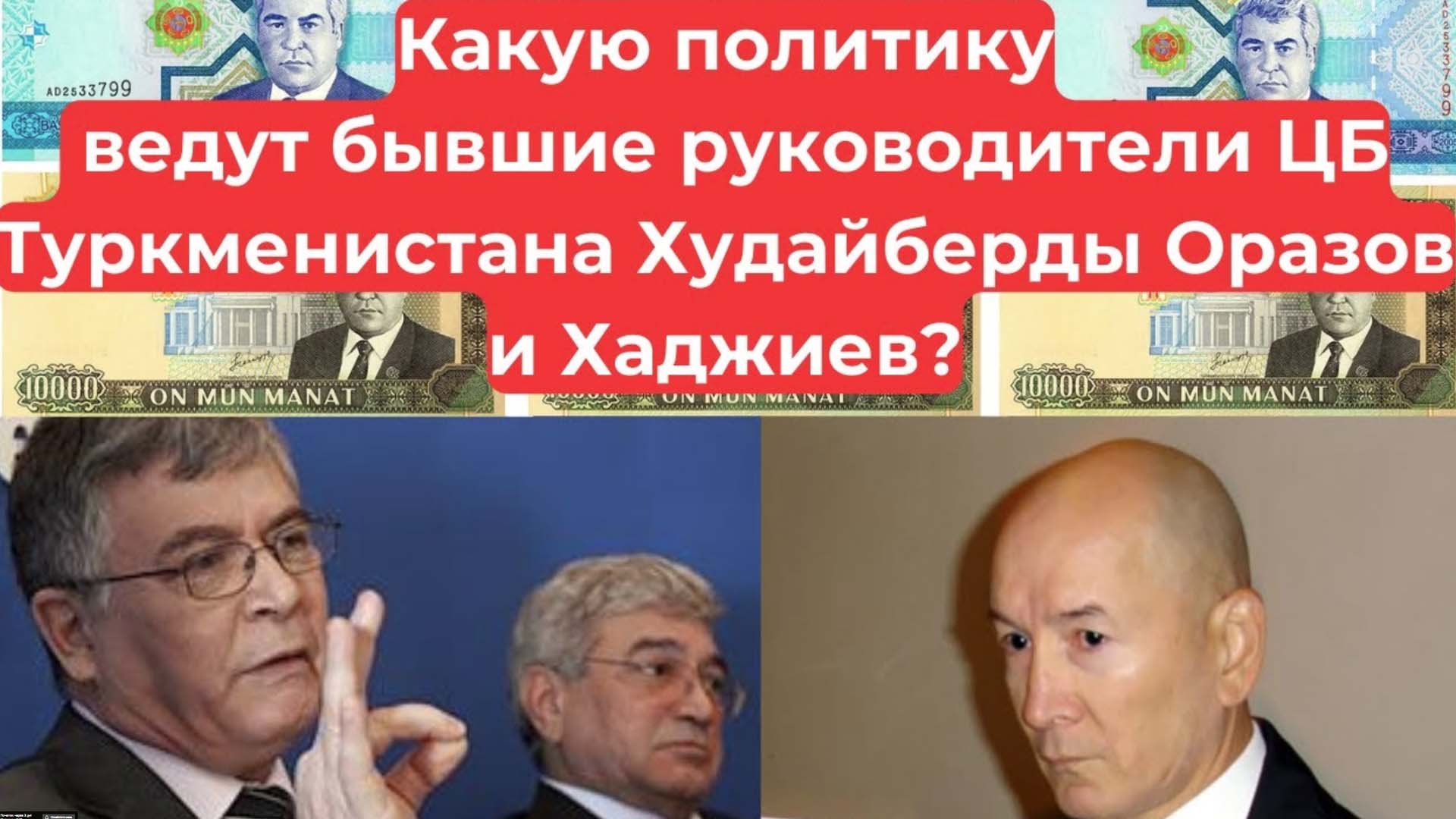
The second serious obstacle is strict restrictions on foreign exchange transactions. The country has a dual exchange rate: the official rate and the shadow rate, where the dollar is worth five times more. Such conditions make it almost impossible for companies to repatriate profits and run a sustainable business. This causes great concern among foreign investors, because their funds become literally “locked” in the country.
Bureaucracy in Turkmenistan also plays a role in creating an unfavorable environment for investment. Companies are faced with a lot of formalities and requirements that must be met before starting work. Moreover, local authorities have the ability to stop the activities of companies, citing various violations, and the courts, as a rule, support the decisions of officials. This makes the judicial system unfair and unfavorable for foreign players.
Censorship and slow Internet are another facet of the problem. Turkmenistan has one of the slowest Internet connections in the world, and many international sites and services are simply blocked. This creates additional difficulties for doing business, since access to information and resources is severely limited. The country’s digital isolation imposes additional costs on companies seeking to do business in the territory.
And yet, despite all the difficulties, about 900 companies with foreign capital are registered in Turkmenistan. However, most of them operate under conditions of increased risk and without reliable legal guarantees. The country remains one of the most closed in the world, and even recent changes in legislation, such as expanding opportunities for foreigners to purchase real estate, have failed to significantly improve the investment climate. Turkmenistan, having rich potential, still remains a country in which many companies are afraid to invest.
In conclusion, we would like to add that Turkmenistan remains a very complex and controversial field for international investment. Despite its wealth and promise, its isolation and unpredictability make the country a risky business choice, requiring investors to be extra cautious and prepared for the unexpected.