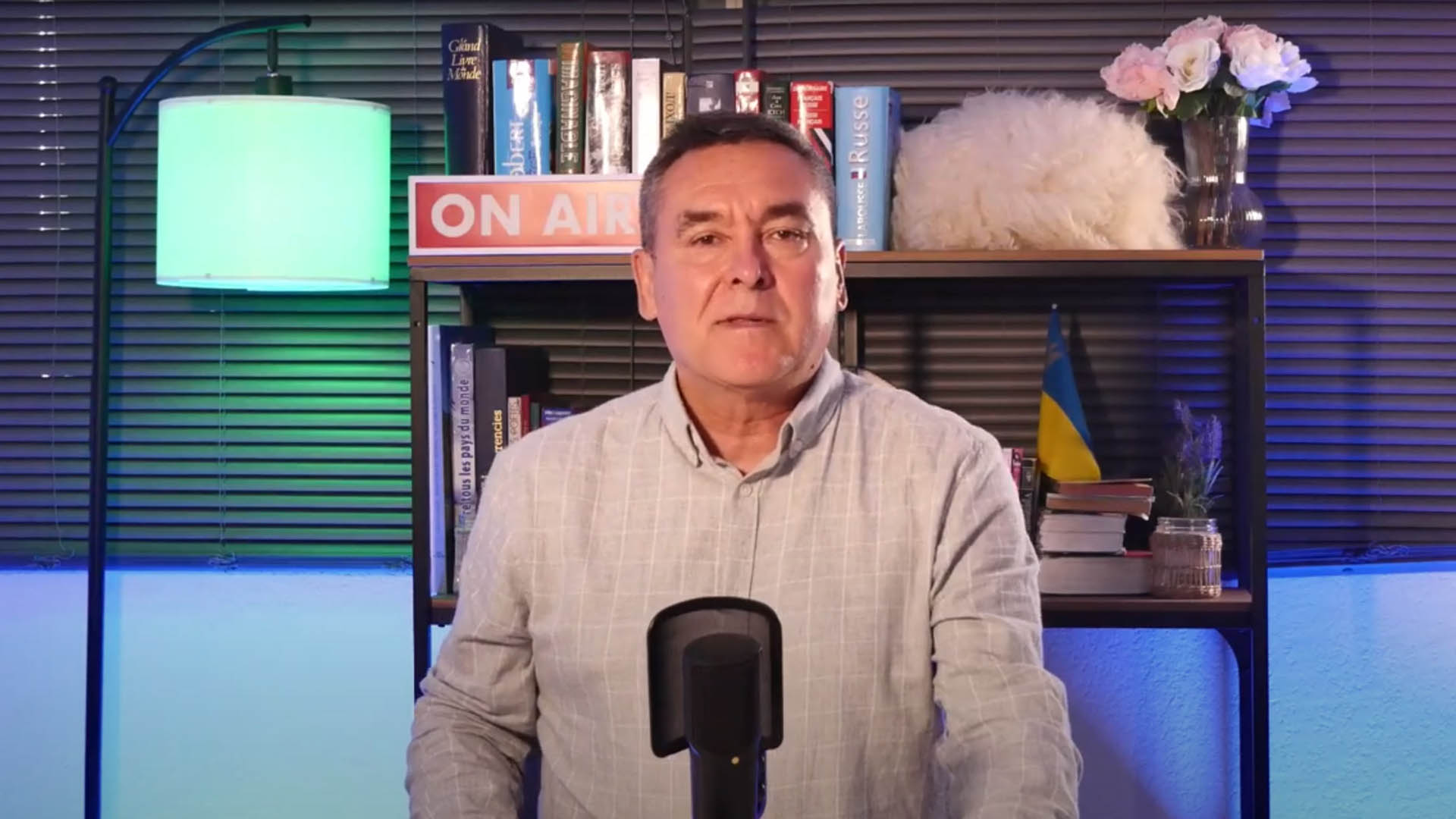

A recent interview with former Uzbek MP Rasul Kusherbaev has caused a strong reaction both inside and outside the country. In the interview, the politician expressed dissatisfaction with the derogatory attitude of the official representative of the Russian Foreign Ministry Maria Zakharova towards Uzbekistan and its citizens. Kusherbaev harshly criticized the tone of Zakharova’s comments and accused the Russian authorities of chauvinism and disregard for the sovereignty of Central Asian countries.
The reason for this criticism was an incident in Tashkent, when the deputy director of one of the schools hit a student for asking to translate a lesson into Russian. The Russian Foreign Ministry, through Maria Zakharova, requested an explanation about this incident, which in Uzbekistan was perceived as interference in internal affairs. Kusherbaev noted that such actions only increase tensions between the countries and humiliate the dignity of the Uzbek people.
He particularly emphasized that such statements from Russia demonstrate Moscow’s arrogant attitude toward its former allies.
“Zakharova allows herself to humiliate Uzbekistan, as well as other representatives of our people,” the former deputy said. “We must not leave this unanswered.” He proposed including Zakharova in the list of undesirable persons in Uzbekistan, adding that such incidents only increase interethnic tensions.
In addition, Kusherbayev condemned the Russian authorities for their impolite attitude toward labor migrants from Uzbekistan, who play an important role in the economies of both countries. Russia has long used this labor force, but often treats them as second-class citizens. Russian media and officials have repeatedly allowed themselves to make derogatory remarks about migrants, which Kusherbayev considers a sign of chauvinism and xenophobia. He emphasized that such statements, like those made by Zakharova, only confirm Russia’s dismissive attitude toward the countries of Central Asia. These words of the politician are of particular importance in the context of Uzbekistan’s current relations with Russia, which are already on the verge of deterioration. Despite historically close ties, the situation with migrants, economic pressure and Russia’s geopolitical ambitions create tensions. The ignorant behavior of the Russian Foreign Ministry only worsens this situation, opening the door for other international players, such as China and Turkey, who are actively seeking to expand their influence in Central Asia.
Many experts believe that such a diplomatic style as Zakharova’s could undermine Russia’s position in the region in the long term. Central Asia is becoming an increasingly strategic region, and the loss of trust from countries like Uzbekistan could be a serious blow to Moscow. In the context of global competition for influence in Central Asia, Russia risks losing its role as a key player.
In general, the scandal around the incident in the Tashkent school and Zakharova’s subsequent reaction are just the tip of the iceberg. It hides a deeper problem: Russia’s desire to maintain control over former Soviet republics, often at the expense of their sovereignty. Such approaches have already drawn criticism not only in Uzbekistan, but also in other countries in the region, where national movements and aspirations for independence from Moscow are growing. Kusherbayev’s comments thus highlight important aspects of contemporary diplomacy and relations between Russia and the Central Asian countries. The impoliteness and arrogance of Russian diplomacy only accelerates the process of these states’ separation from the Russian sphere of influence.