
Political Turn in Hungary: Change of Power and Possible Consequences for Europe and Central Asia
Political changes have occurred in Hungary, which are already being called some of the most significant in recent years. According to media reports, a new political leader, Magyar, won the election, replacing Viktor Orbán, who remained a key figure in Hungarian politics for many years and was known for his softer position toward Russia. Many experts view this result as a signal of a possible transformation of the country’s foreign policy course and its role within the European Union.
The End of the Orbán Era? Orbán’s rule was associated with a course for sovereignty, conflicts with Brussels, and an ambiguous position on issues of sanctions and relations with Moscow. The new leader, in contrast, is perceived as being more oriented toward European values, strengthening ties with the EU, and reviewing foreign policy priorities. If this course is confirmed in practice, Hungary may cease to be a “special voice” within the European Union and begin to play a more predictable and coordinated role in general European politics. What does this mean for Europe? The victory of the new leader could affect several key areas: strengthening EU unity and reducing the number of disagreements on sanctions and foreign policy issues, a review of energy strategy and a possible reduction in dependence on Russian resources, as well as a tougher position on security in the context of general European policy. Thus, Hungary could become part of a more consolidated European bloc, which is especially important against the backdrop of current geopolitical tensions.
Meanwhile, Central Asian countries traditionally hold a reserved position in assessing political processes in Europe. At the moment, there is practically no official reaction to the changes in Hungary. However, for the region, it is not so much the personalities that are important as the consequences: a change in the investment climate, new economic priorities of the EU, and possible changes in migration policy. For labor migrants and the business community of Central Asia, this could mean both new opportunities and new restrictions.
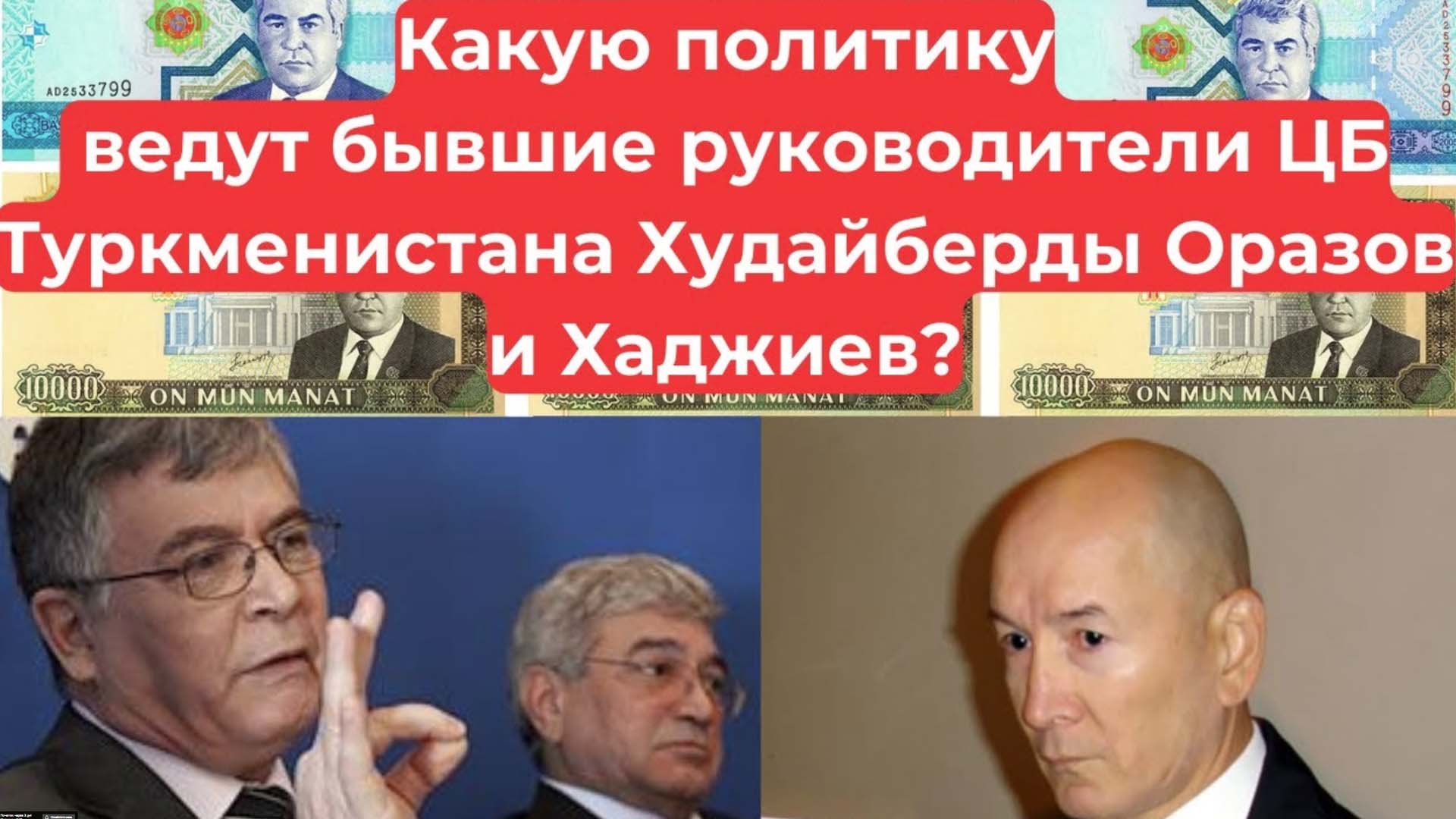
Turkmenistan: Silence Instead of a Position As in most international issues, Turkmenistan’s official position remains closed and is practically never voiced publicly. The country traditionally avoids active participation in international political discussion. But it is precisely events like a change of power in European countries that clearly demonstrate the difference between political systems. In Europe, power changes through elections, while in Turkmenistan, it is transferred within a closed system. The events in Hungary again raise an important question: are such changes possible in countries with a strict vertical of power?
Today, thousands of citizens of Turkmenistan are forced to leave the country in search of work, safety, and basic living conditions. The absence of real political mechanisms for changing power, economic difficulties, and pressure on society form a situation in which people do not believe in changes within the country. But history shows: no system remains unchanged forever. Sooner or later, the society’s demand for change becomes stronger than any restrictions. The change of political course in Hungary is not only the internal story of one country. It is part of a broader process of reimagining the future of Europe. For Central Asia, this is a signal: the world is changing, and the rules of the game are changing too. For Turkmenistan, it is a reminder that isolation cannot last forever, and for the people, it is another confirmation that changes are possible.