Military actions on the territory of neighboring Iran are already beginning to reflect on the economic situation in Turkmenistan. The country has seen a noticeable increase in prices for food products, household chemicals, construction materials, and cigarettes. According to Ashgabat residents and traders in the capital’s markets, in recent days the cost of some goods has increased several times. Turkmen.news reports.
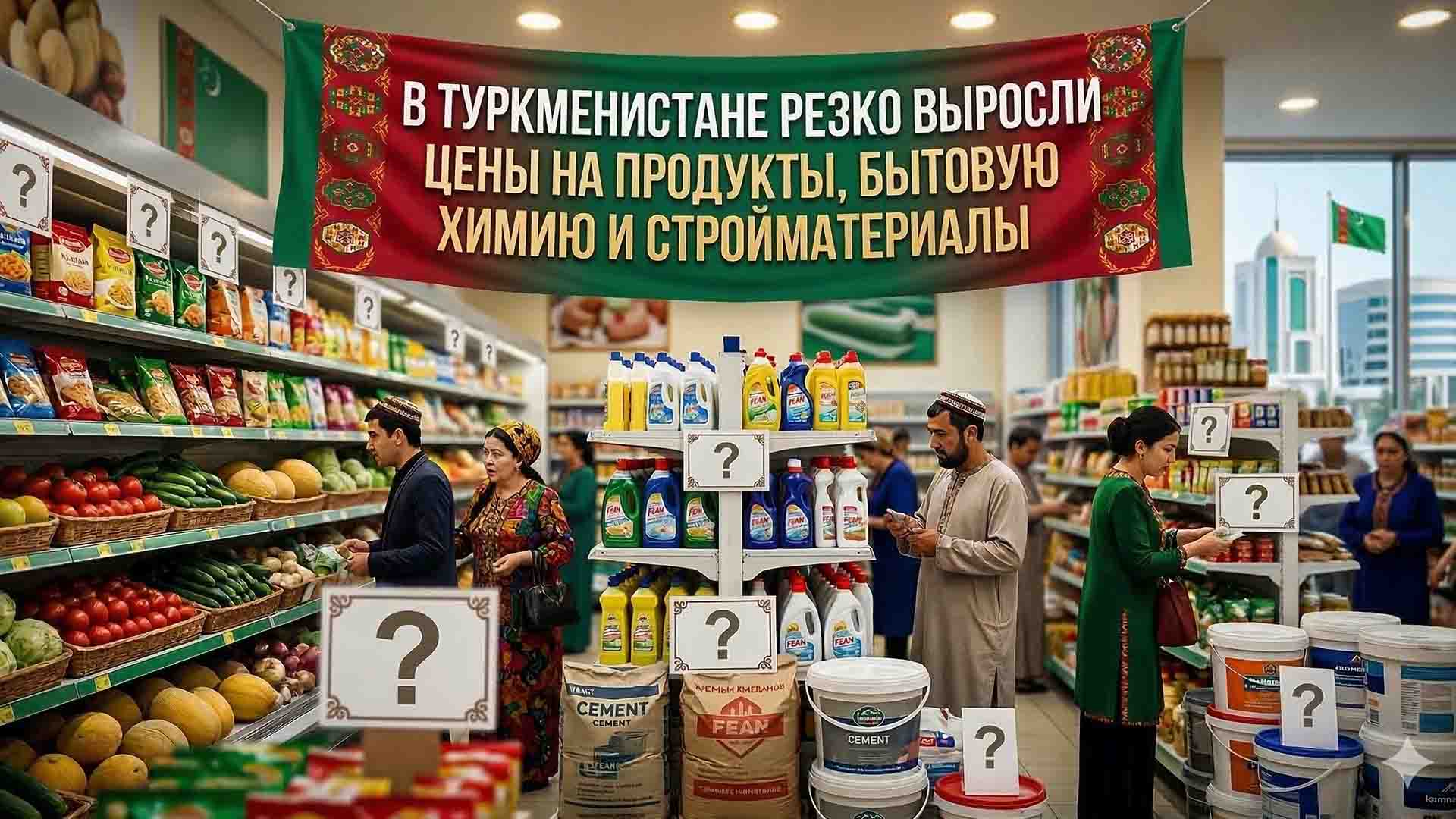
Vegetables and fruits have risen in price most noticeably. If at the end of February a kilogram of potatoes imported from Iran cost 5–6 manats in Ashgabat, now its price has reached 17 manats. A similar situation is observed with cucumbers: their cost has risen from 8 manats to 17 manats per kilogram. Other products have also become more expensive: apples – about 17 manats per kilogram (previously about 10 manats), oranges – from 9 to 18 manats, tangerines – from 12 to 22 manats. Thus, prices for some products have risen 2–3.5 times in just a few days.
Residents of the country also note an increase in prices for household chemicals. For now, it is less sharp, but the tendency towards rising prices is already obvious. For example, liquid detergents: Comfort has risen in price from approximately 75 to 85–90 manats, Persil – from 90 to approximately 100–105 manats. Dishwashing detergents have increased in price much more significantly: AVE — from 9 to 15 manats, Persil — from 12 to 20 manats, Test — from 15 to 22 manats. According to sellers at the Ashgabat wholesale market, stocks of goods are gradually running out, and in the near future, prices may continue to grow.
Cigarette prices have also increased substantially. On average, the price hike was about 35–40 percent. In particular: Kent from 60–65 manats to 85–90 manats per pack, ESSE from 50–55 manats to 80 manats, Winston, Royale, and Private about 75 manats (previously 45–50), Marlboro from 95 manats to 170 manats. Sellers note that price growth may continue.
According to sources in the construction sector, prices for cement, metal, wood, and other building materials have increased by about 40 percent. Some of these goods were imported from the United Arab Emirates in transit through the territory of Iran. Due to military actions, entrepreneurs are forced to look for alternative delivery routes through Azerbaijan and Georgia, which increases transportation costs.
Economic dependence on imports
Despite the presence of its own production, Turkmenistan largely depends on the import of goods from Iran. Many private buyers and organizations consider the quality of Iranian products, both food and household, to be higher than local ones. Disruption of supplies from the neighboring country quickly reflects on the domestic market of Turkmenistan. The authorities, meanwhile, do not comment on the situation. On March 4, the issue of customs regulation was discussed at a meeting of the State Security Council of Turkmenistan. According to a report by the state news agency TDH, the chairman of the State Customs Service, Maksat Khudaygulyev, gave a report on the planned development of the department. However, issues related to current events in the region and their impact on the Turkmenistan market were not raised in official statements.
Such crises are not happening for the first time
The rise in prices due to problems on the Iranian direction is not happening for the first time. In the summer, during a 12-day conflict, Turkmenistan already saw an increase in the price of vegetables, vegetable oil, detergents, and cigarettes. In the autumn of 2024, when Iran temporarily closed the border, the country also experienced a shortage of vegetable oil and a jump in prices for a range of products. At the same time, the authorities of Turkmenistan do not inform the population whether there is any long-term strategy for responding to such crises in the fields of trade, agriculture, and industry.
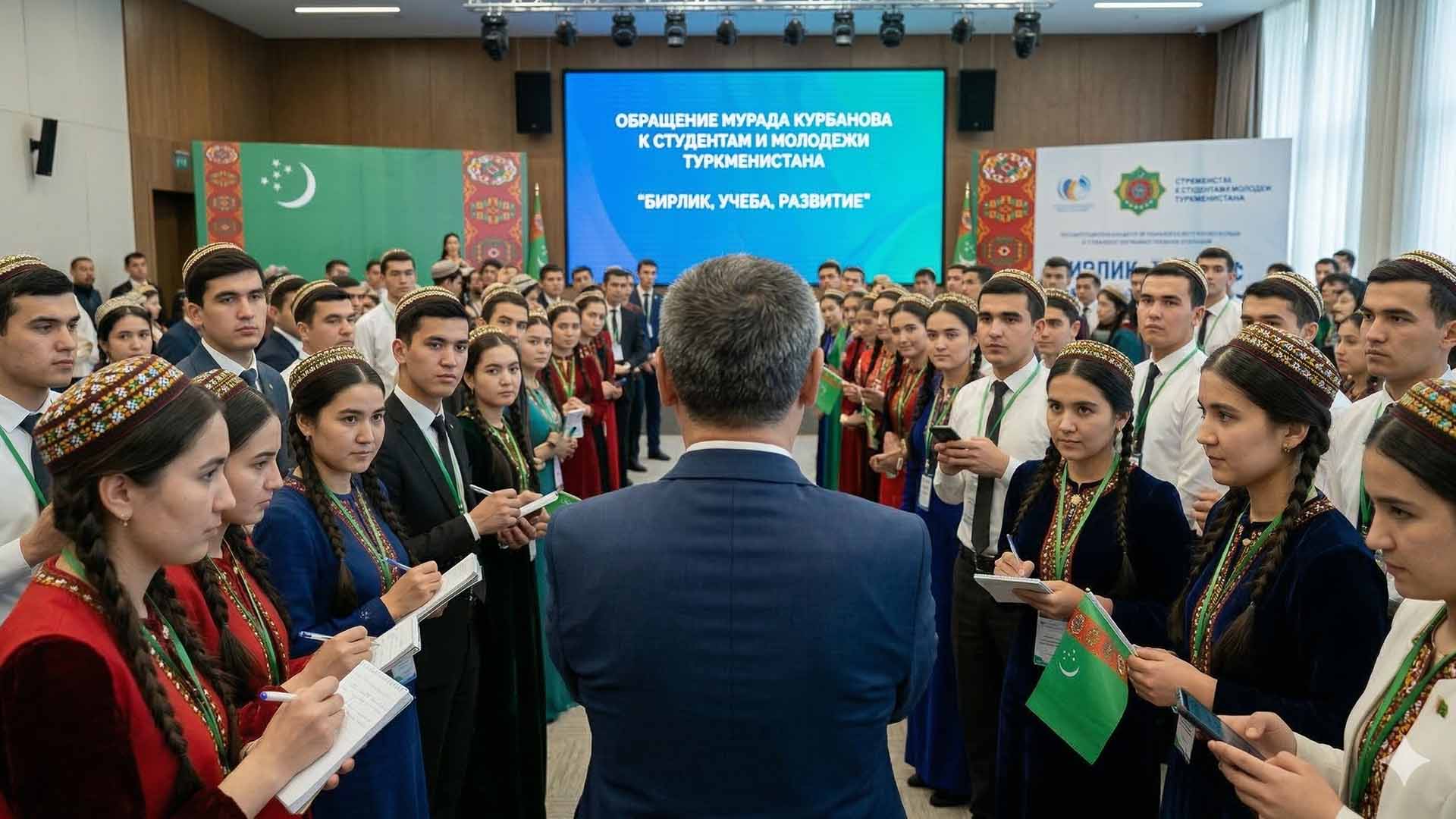
Commenting on the situation with rising prices, the leader of the “Democratic Choice of Turkmenistan” movement, Murad Kurbanov, stated that what is happening once again shows the vulnerability of the country’s economy and the absence of a thought-out state strategy in the field of trade and food security. According to him, Turkmenistan should not depend so heavily on external supplies that any crisis in a neighboring country instantly leads to a sharp rise in prices for the population.
“The events of recent days clearly show how unstable the current economic system is. Any external crisis — be it a border closure or military actions in a neighboring state — immediately leads to price increases inside the country. As a result, ordinary citizens pay for it,” Kurbanov noted. He emphasized that the problem lies not only in current events in the region but also in the lack of transparent economic policy and trade diversification.
“A country possessing huge resources and opportunities should not depend on one or two external trade lines. It is necessary to develop our own production, create a competitive economy, and open the market for international cooperation. Only in this way can we ensure price stability and the economic security of the country,” the politician believes.
Kurbanov also noted that the authorities should openly inform the population about the real situation and the measures being taken. “People have the right to know what steps the state is taking to protect the economy and support the population. Transparency and accountability of the authorities are the basis for the sustainable development of the country,” he emphasized. In Kurbanov’s opinion, the current situation should serve as a signal for the need for serious economic reforms and modernization of the economic management system of Turkmenistan.